 dunderheads
Pets in the bedroom: why the cat is watching, and what to do
The cat on the wardrobe. The dog who thinks you’re wrestling. The parrot with a very good memory. A funny, practical guide to keeping pets out of your love life.
Updated November 14, 2026
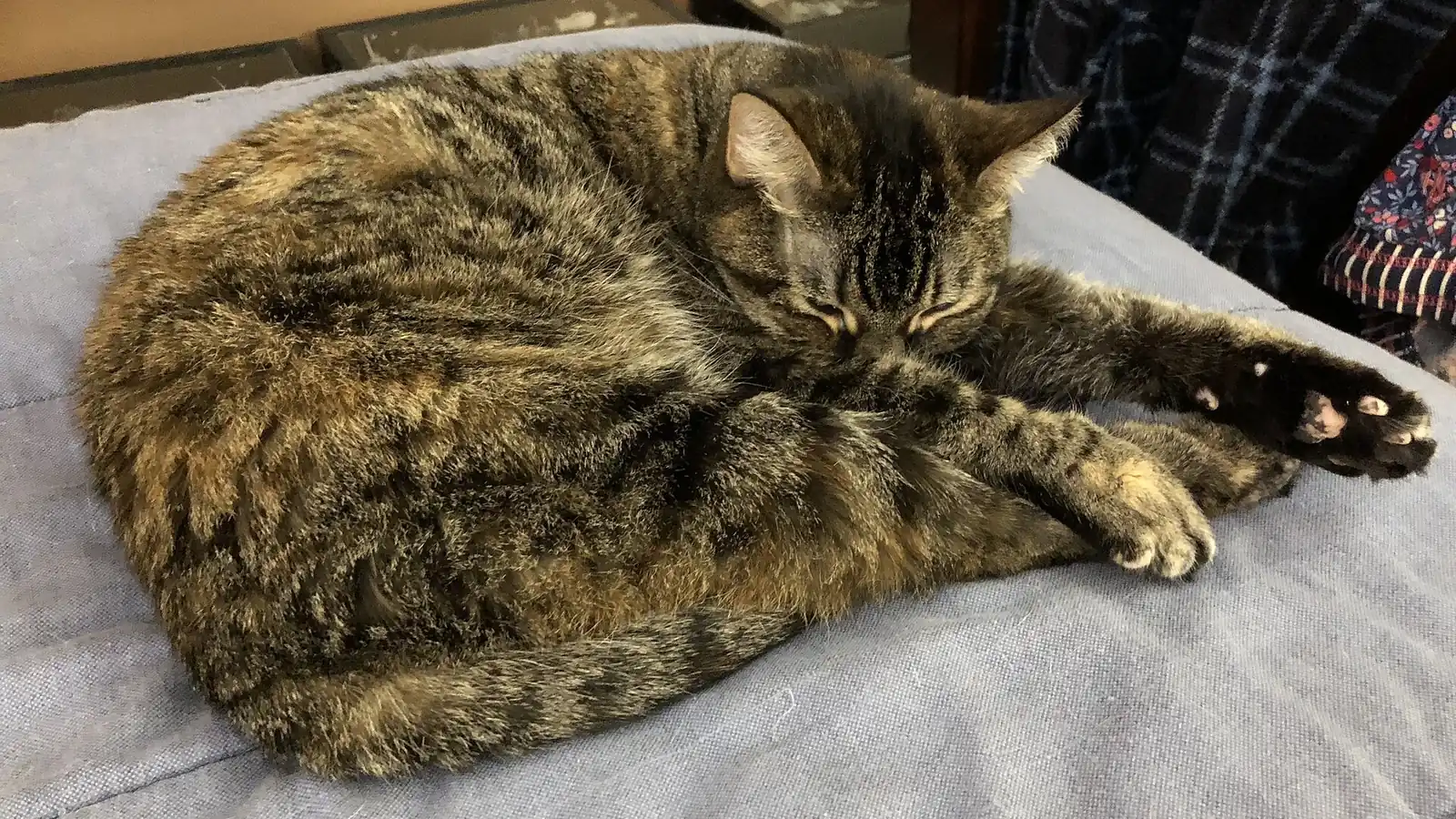
Nothing kills the mood faster than two glowing eyes staring at you from the top of the wardrobe. It’s not just staring. It feels like evaluating. It’s Mr. Whiskers, and he seems unimpressed.
Pets and bedrooms are a classic comedy pairing, and almost every pet owner has a story. Here’s why it happens and how to keep the bedroom a people-only zone when you need it to be.
Why does my cat stare at us in bed?
Nobody can read a cat’s mind, but the likely answers are boring ones: cats are curious, they like being near their people, and unusual movement and noise get their attention. Your bed is also warm and smells of you. The stare isn’t a review of your performance, even if it really, really feels like one.
Why do dogs interrupt?
Dogs are social animals and many simply want to join whatever their people are doing. Sudden movement, noise or a closed door can also make them excited or worried. A dog that bursts in to lick everyone’s face is almost always being friendly, not jealous. A regular bedtime routine outside the room usually solves it.
What should you do about pets in the bedroom?
You have three options: the lockout, where you close the door; the distraction, where you give them something better to do elsewhere; and acceptance, where you ignore them until they jump on the bed. The lockout is the only one that reliably works, so set up a comfy spot outside the door first.
| Strategy | How it works | Downside |
|---|---|---|
| The lockout | Close the door. The only guaranteed option | Paws under the door and a concert of protest |
| The distraction | A food puzzle, a chew or a favorite toy in another room, started just beforehand | Only buys you as long as the snack lasts |
| The acceptance | Ignore them and pretend they’re a gargoyle guarding the room | Fails the moment they jump on the bed |
| The routine | Give pets their own bed outside the bedroom every night, not just some nights | Takes a few weeks to stick |
How to set up a kind lockout
A closed door works best when the other side of it is a nice place to be. A few things make it easier on everyone:
- Give them their own spot. A comfy bed or blanket in another room, used every night, becomes their normal place to sleep.
- Make the door boring. Close it at the same time each evening, not only on special occasions, so it stops being a signal that something exciting is happening.
- Leave something to do. A food puzzle or a favorite chew keeps dogs busy for a while. For cats, a window perch or a cardboard box is often enough.
- Don’t reward the protest. Opening the door because of scratching teaches them that scratching works. Wait for a quiet moment before letting them back in.
- Mind the gap. If paws keep appearing under the door, a draught excluder solves it, and keeps the room warmer too.
None of this needs to be strict. Plenty of couples are happy to have pets in the bedroom most of the time and just want an hour to themselves now and then.
What not to do
Do not try to win a staring contest with the cat. The cat will win. You will feel strange. Your partner will notice you’re locked in eye contact with the cat instead of them and ask questions you don’t want to answer.
Also avoid shouting or chasing a pet out mid-moment. It teaches them that the bedroom door is exciting, which is the opposite of what you want. Calmly pick them up or call them out, close the door, and give them a treat on the other side.
Should pets sleep in your bed?
It’s a personal choice, but it may cost you some sleep. A small Mayo Clinic study of 40 adults found people slept slightly less efficiently when their dog was on the bed than when the dog slept elsewhere in the bedroom. Many owners love the company anyway, so it comes down to how well you both sleep.
What if the pet can talk?
Then you have a different problem. Parrots and some other birds can mimic human speech and sounds, and they pick up the noises they hear often. If you’d rather not have your evenings repeated at a dinner party, keep the bird’s cage in another room. That’s a genuine tip, wrapped in a very real fear.