 dunderheads
Awkward moments in bed, and how to laugh them off
Elbows in eyes, knees in ribs and the jumper that wouldn’t come off. How to recover with your dignity, or at least your sense of humor, intact.
Updated November 14, 2026
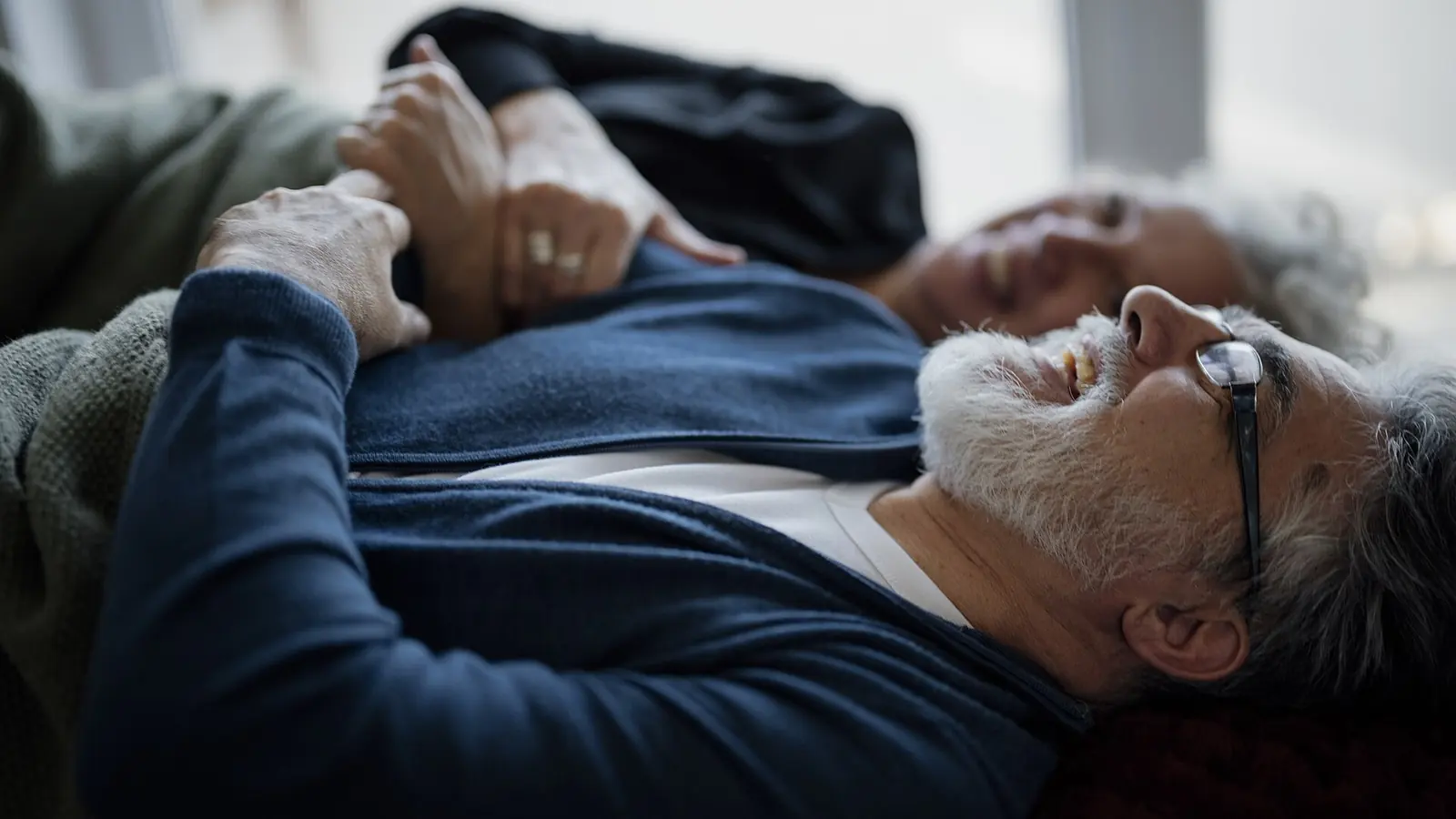
Sex in films is a smooth, candle-lit ballet. Sex in real life is two people trying very hard not to crush each other’s limbs. Someone changes position, feeling majestic, and then: an elbow meets an eye socket with the precision of a prize fighter.
It happens to everyone. What matters is what you do next.
What are the most common awkward moments in bed?
The classics are an elbow or knee in the wrong place, a cramp, a strange noise, a phone that won’t stop buzzing, a pet joining in, and getting stuck in a jumper. None of them means anything is wrong. They mean two real people are in a bed, and real people are clumsy, especially when they’re enthusiastic.
The classics, and the quick fix for each
- The cramp. A calf or foot cramp arrives at the worst possible moment. Straighten the leg, flex the foot towards you, and let your partner provide moral support and a very serious face.
- The noise. Bodies, mattresses and old bed frames all make sounds. Name it, laugh, and carry on. Ignoring a loud squeak only makes the next one funnier.
- The phone. It always rings at the worst moment, and it is always your mother. Put both phones on silent and face down before anything starts.
- The jumper. Getting stuck in a top with your arms over your head is a rite of passage. Stay calm, accept help, and enjoy the round of applause when you escape.
- The fall. Rolling off the bed is less dramatic than it sounds, but check for corners and bedside tables. A soft landing is everything.
The common thread: none of these is a sign that something is wrong. They’re signs you’re two relaxed humans rather than two actors with a lighting crew.
How do you recover from an awkward moment?
Use the three R’s. Recoil: stop and check nobody is hurt. Reassure: say sorry, make a little fuss, laugh if they’re laughing. Resume, maybe: if you’re both giggling, carry on more slowly; if not, have a cuddle or make tea. The moment only becomes awkward if you both pretend it didn’t happen.
| Step | What to do | What to say |
|---|---|---|
| 1. Recoil | Stop moving straight away and check where everyone is | “Oh no, are you okay?” |
| 2. Reassure | Make sure they’re fine, then make a fuss of them | “Let me kiss it better.” |
| 3. Resume? | Read the room. Laughing means carry on; wincing means tea and a break | “Shall we try that again, slower?” |
Common impact zones, and how to apologize
| Impact zone | Damage level | Suggested apology |
|---|---|---|
| The nose | High: watery eyes all round | “I was trying to boop it. Aggressively.” |
| The shin | Severe: stepped-on-a-toy pain | “I’ll rub it better for twenty minutes.” |
| The ribs | Medium: a winded gasp | “That was meant to be a tickle.” |
| Below the belt | Critical | Complete surrender. Ice pack, apology, and their choice of film. |
| The hair (lying on it) | Low but loud | “Sorry, I was mapping the terrain.” |
The table is a joke. The rule underneath it isn’t: the apology should match the damage, and the person who got hurt decides when it’s funny.
Is it okay to laugh when something goes wrong?
Usually it’s the best thing you can do, as long as you’re laughing together and nobody is hurt. Laughing turns an embarrassing moment into a shared joke and takes the pressure off. Check your partner’s face first, though. If they’re in pain or genuinely embarrassed, comfort comes before comedy.
Why clumsy is fine
Perfection is boring. A little clumsiness means you’re both relaxed and actually enjoying yourselves, rather than performing. Being close to someone sometimes means looking like a flailing octopus. Embrace the octopus.
The couples who seem to have the most fun are rarely the most graceful. They’re the ones who can stop, laugh at a head-butt, and carry on, because neither of them was worried about getting it perfect in the first place.
When is a bump more than a joke?
Most bumps are just bruised pride, but take real injuries seriously. A knock to the head that leaves someone confused, sick or very sleepy needs medical advice, and so does a nose that won’t stop bleeding or has changed shape. A chipped or knocked tooth needs a dentist. Laugh about it afterwards, not instead.
How do you avoid elbows and head-butts?
Slow down when you’re changing position, say what you’re about to do, and give yourselves room: pillows aren’t only decoration. Clear the bedside table of anything sharp or spillable. Most collisions happen in the rush between one thing and the next, so a little narration (“I’m moving my leg now”) saves a lot of bruises.